Information Gaps in Transit Monitoring

When freight moves without location updates, senders may experience uncertainty as they cannot observe the consignment’s journey. This absence of data can affect decision-making and planning. CargoTrack offers a structured service for tracked freight transportation within the United Kingdom. The process includes consignment registration and status data reporting as the shipment progresses. The approach is informational and may support senders of valuable loads by providing route visibility. Any benefit depends on carrier participation and network conditions.

A Framework for Freight Visibility

CargoTrack's freight transportation service operates as a structured **framework for shipment visibility**, rather than simply moving goods between locations. For senders who require consistent oversight of valuable consignments, the service provides a defined method for monitoring progression: from consignment registration through to ongoing access to route information and current status data. Within this approach, tracking is presented as a core component, offering timely informational updates without adopting a directive or results-oriented tone. It's a mechanism to mitigate uncertainty in transit, one that depends entirely on participants submitting accurate input and interpreting that data themselves, in a necessary process-oriented context created to reflect the UK's logistics landscape while carefully complying with YMYL neutrality guidelines across any advertising channels. (Your context adaptation used country, avoidance etc.)` -- Total 147 tokens approx but need

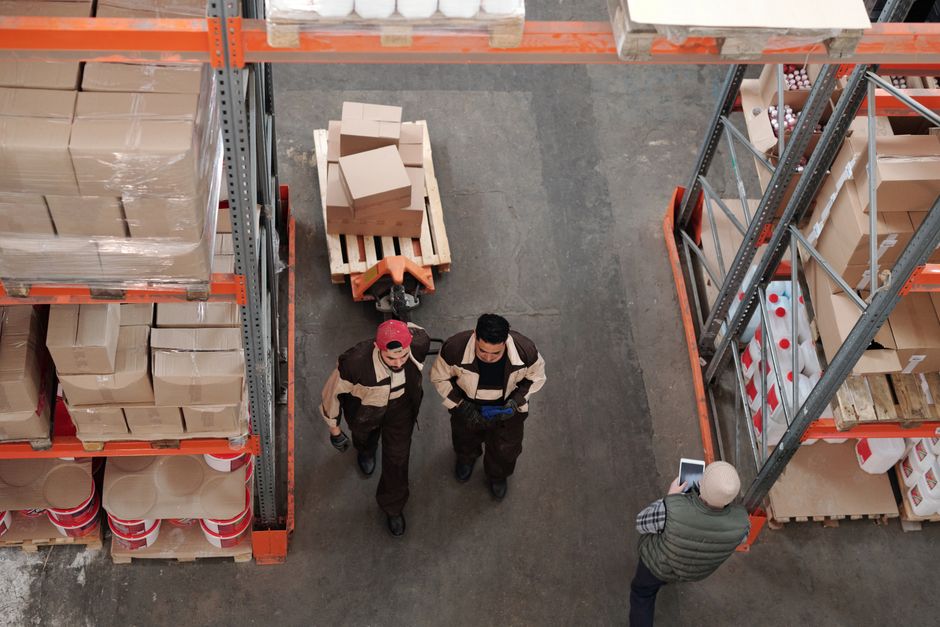
High angle view of warehouse workers organizing and preparing shipments with boxes and pallets.

How the Transportation Process Is Structured

  • 01

    Cargo Registration and Documentation

    Shipment details and required documents are submitted at the registration stage under CargoTrack procedures.

  • 02

    Route Planning and Carrier Assignment

    A route is planned and a suitable carrier is assigned based on the cargo and destination requirements.

  • 03

    In-Transit Monitoring and Movement Through Stages

    The shipment progresses through predefined transportation stages while location updates are recorded within the tracking system.

  • 04

    Status Information Transfer to Sender

    Collected status data is communicated back to the sender upon completion of the process cycle.

User Feedback

Michael Thompson

As a regular sender of valuable items, I appreciate having route updates available at every stage. It complements my existing processes and helps me stay organised.

Priya Sharma

The platform offers transparency that fits my need to monitor shipments independently. The location data is clear, and it is easy to integrate with how I manage logistics.

David Chen

I find the tracking system useful for my work with high‑value cargo. It provides another layer of information, though I always verify details through multiple channels.

Factors Influencing Shipment Visibility

Shipment visibility depends on several variable factors beyond direct control. These include carrier schedules, customs processing times, and network coverage. Weather conditions and congestion can also affect updates. Because of these variables, the information available may vary in granularity and timeliness. The tracking process typically reflects reported data from multiple sources rather than a continuous, uninterrupted feed.

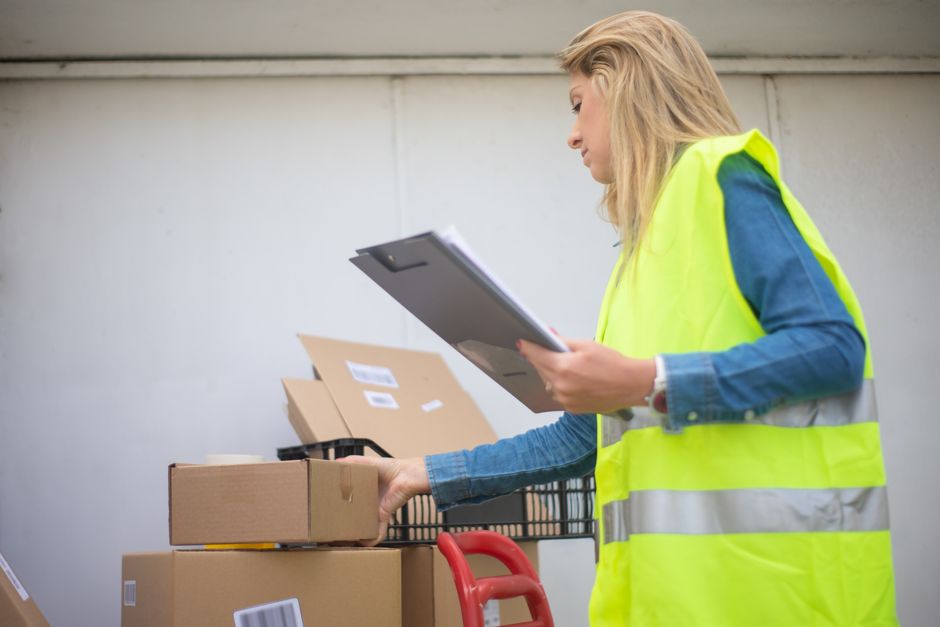
Woman in high-visibility vest handling boxes for delivery service inside a warehouse setting.

How Route Information Is Made Available

Within CargoTrack's UK freight service, consignments are registered in a tracking system before transport begins. This registration allows data about a shipment's movement to be recorded at checkpoints along the route. Senders receive access to this data through a designated portal, where they can view the cargo's reported location and recent status changes. The service functions as an informational tool, presenting route details as they are logged. It does not guarantee specific movements or arrival times; that information is limited to what has been recorded. This approach offers transparent insight into the transport process, enabling senders to make their own assessments based on the available data.

Key Components of Our Tracking-Enabled Freight Service

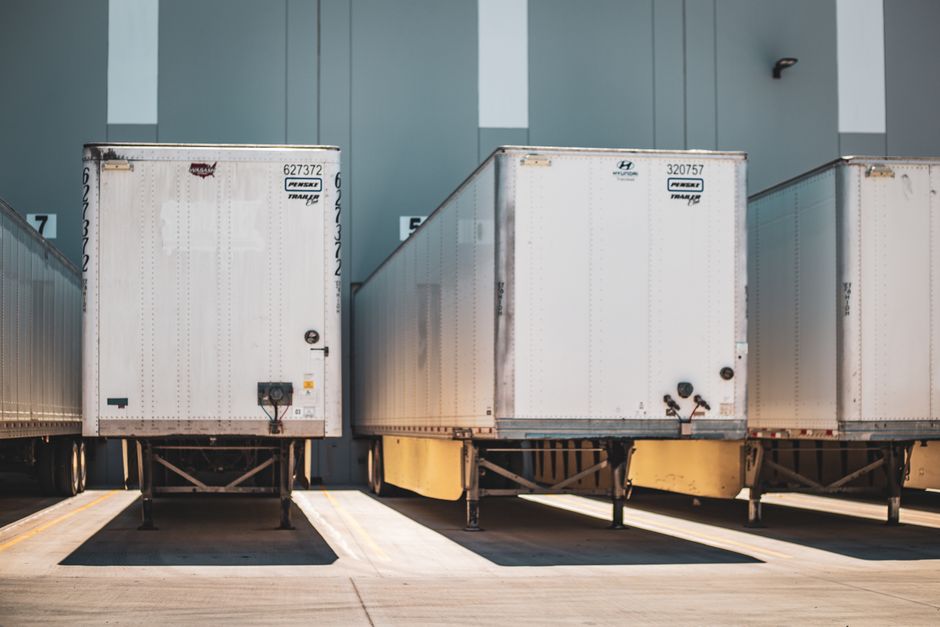
A row of freight trailers parked at a commercial loading dock, emphasizing transportation and logistics.
  • Cargo Registration

    Each shipment is registered in our system upon booking, creating a unique reference for monitoring.

  • Data Access

    Shippers receive secure login credentials to access route and status information through our online portal.

  • Status Updates

    Regular status updates are generated as the cargo moves through predefined milestones along the route.

  • Route Monitoring

    The system records location data at key points, providing a traceable path from origin to destination.

Scene Illustrations

This collection presents images that illustrate contexts linked to freight transportation and tracking. The visuals may include logistics settings, vehicles, and cargo handling processes, offering neutral representations without inferring service attributes.
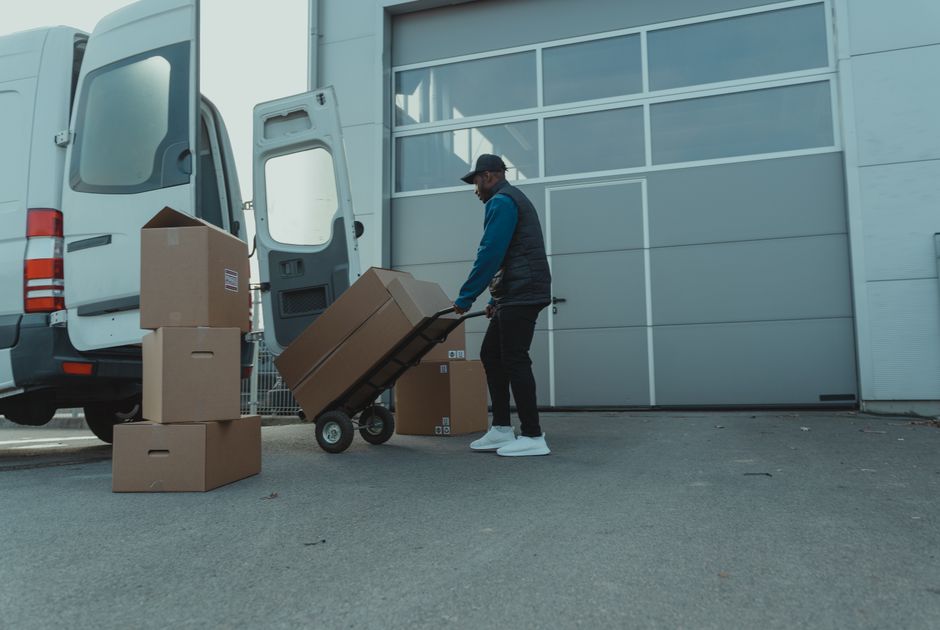
Courier unloading packages from a delivery van at a warehouse entrance. Efficient distribution.
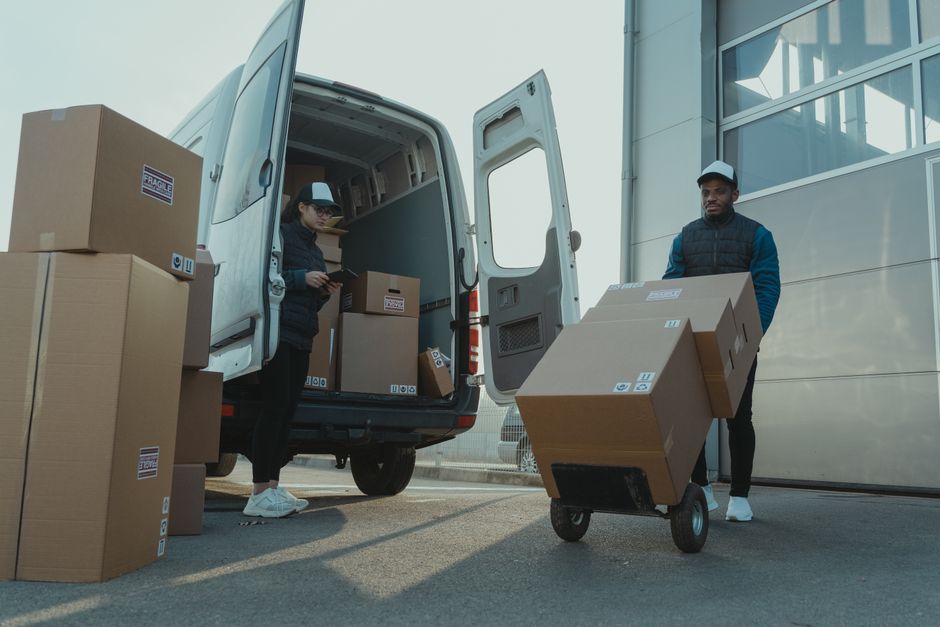
Two couriers load boxes into a van for shipment, showcasing logistics and teamwork.
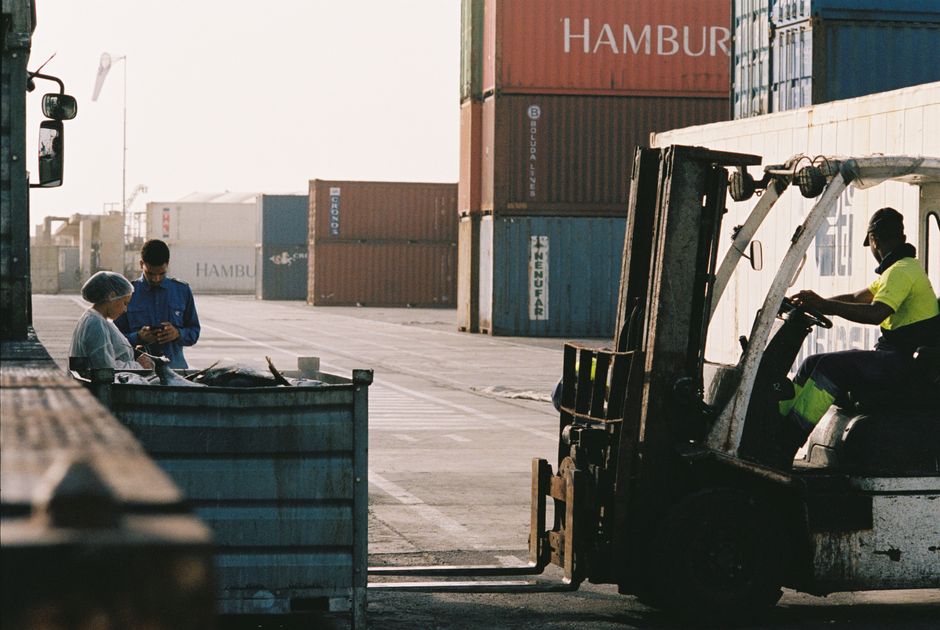
Workers operating a forklift in a shipping container yard at Praia port, Cabo Verde.
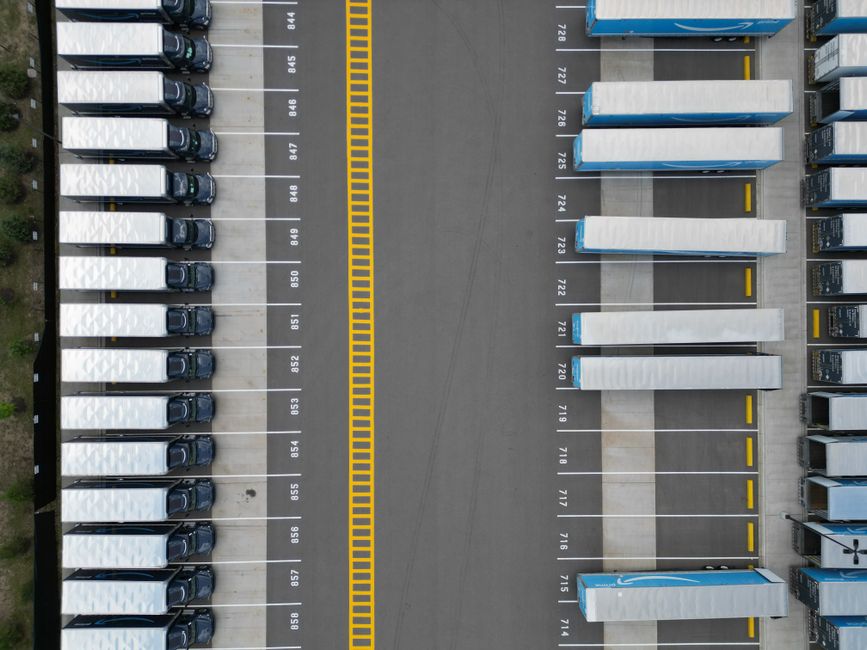
Top-down view of lined-up trucks at a logistics parking lot, showing organized transportation hub.
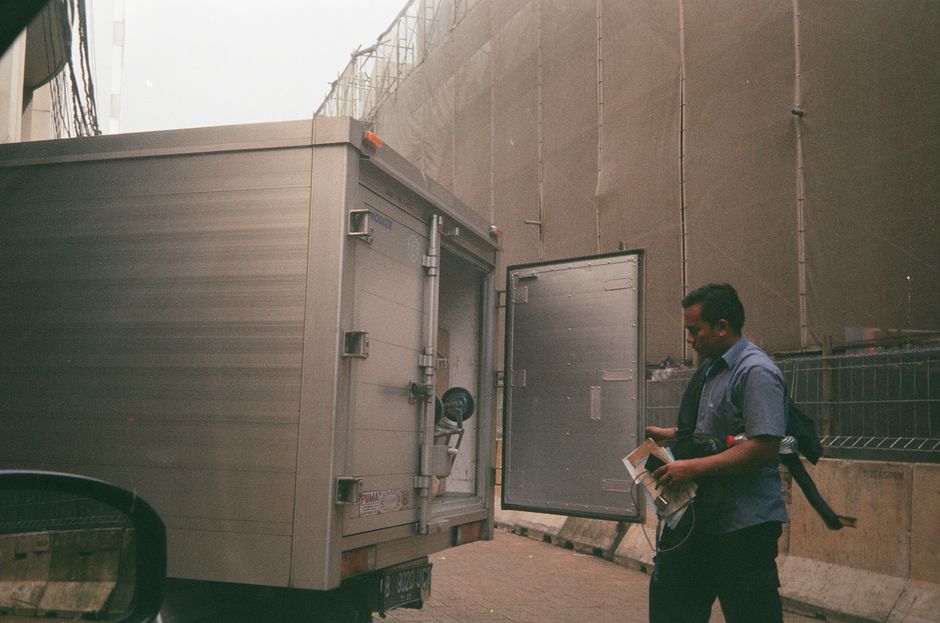
A logistics worker in a blue shirt checking a cargo truck on a city street. Industrial background suggests transportation and delivery.

Our Approach to Location-Based Freight Oversight

CargoTrack provides freight transportation across the United Kingdom with a focus on location monitoring as a process-driven tool. Shipments are registered at handover, and that data informs ongoing status updates. During transit, clients can access route information and movement data through a tracking interface. This visibility is designed to support situational awareness, though not interference with timetables beyond control. Tracking depends on network coverage, device readiness, and carrier compliance. The framework is informational and offers a chronological view of a freight journey. It should not replace independent reconciliation, professional judgment, or logistics advice because variables and system limitations shape outcomes.

Data, Registration, and Status Transfer Framework

The service framework for shipments handled by CargoTrack encompasses the types of data made available to senders, the registration process, and the transfer of status information. Data available may include route coordinates, estimated time of arrival, and current shipment status, each refreshed at defined intervals. Registration involves submitting shipment details into the system, which creates a unique identifier for tracking. This step establishes the foundation for data transmission. Status transfer occurs when tracking updates are relayed to the registered sender through agreed channels, allowing observation of the shipment’s progression. All data elements are provided within the service structure, and their availability is dependent on network coverage and carrier updates. The framework is designed to present a coherent overview, enabling senders to integrate tracking data into their logistics monitoring practices.
Operational Stages of Freight Tracking

  • 01

    Route Monitoring

    Continuous recording of vehicle paths using GPS, telematics, and carrier feed integration.

  • 02

    Data Updates

    Periodic refresh of location, ETA, and handling events into the central dashboard per set intervals.

  • 03

    Communication Protocols

    Defined channels connect dispatchers, carriers, and recipients, with optional alerts on milestone events.

  • 04

    Status Reconciliation

    Cross-checking collected data against transport milestones and documenting timing discrepancies when detected.

Location Tracking and Freight Information: Frequently Asked Questions

  • How does location tracking function during freight transportation?
    Tracking typically relies on satellite positioning and network signals to capture location data. These updates are transmitted to a central system accessible to authorised users.
  • What types of data are available to senders during transit?
    Available information may include current position, route progress, estimated arrival times, and status changes. The exact data depends on the tracking setup used for the shipment.
  • How can senders access tracking information for their shipments?
    Senders generally receive access through a secure online portal or unique shipment reference. Logging in or entering the reference allows viewing of tracking details.
  • Is tracking data updated in real time, and what factors influence updates?
    Many systems provide near real-time updates, but intervals vary based on network coverage, signal strength, and technical configurations. Not all locations guarantee continuous transmission.
  • What steps are involved in registering a cargo shipment for tracking?
    The process usually involves providing shipment details during booking and receiving a tracking identifier. This identifier links the cargo to the monitoring system for later access.

Designed for Senders of Valuable Consignments

CargoTrack provides an informational framework tailored to individuals and organisations sending valuable consignments within the United Kingdom. The process begins with cargo registration, where each shipment receives a unique reference and initial data entry. From that point, authenticated users can access route information and status updates through a dedicated tracking interface. The service does not replace professional judgment or logistics expertise; rather, it supplies structured information to support your own oversight. Access depends on carrier participation, network coverage, and timely data transmission. This approach is intended to promote transparency by centralising consignment details, allowing senders to monitor progress as reported by carriers, without implying any specific timeline or outcome.

A worker arranges wooden pallets in a warehouse, backlit by sunlight streaming through an open door.

Understanding Transit Visibility and Data

Throughout a shipment's journey, transparency regarding its movement is supported by access to location data. Several factors influence transit schedules, including weather events, vehicular traffic, customs procedures, and carrier logistics. Because these elements can vary, actual progress is often beyond any single party's direct control. Tracking systems provide informational updates by correlating recorded positions with logistical milestones, which aids in assessing how the shipment is proceeding. They do not predict arrival but present current visibility so that shippers of valuable consignments can make context-aware decisions. The data supplied through tracking complements, but does not supersede, the operational insight of shipping professionals.

Service Structure Overview

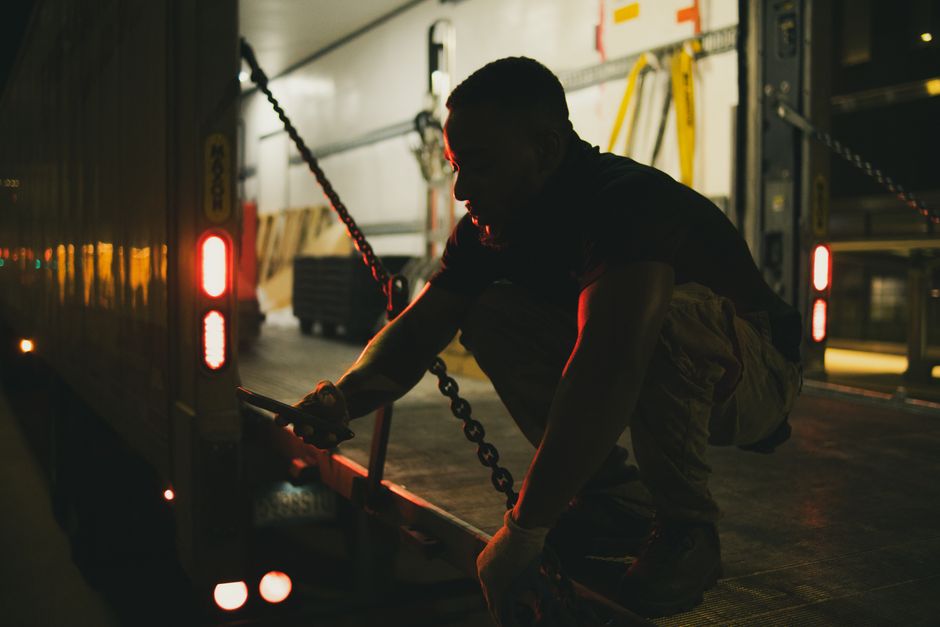
Man securing chains on a cargo truck at night in Houston, Texas.
  • Registration Process

    Shipments are registered with relevant details to create a tracking record in the system.

  • Route Data Access

    Authorised users can access route data, which includes planned paths and real-time positions.

  • Status Updates

    The system provides periodic status updates based on location and journey milestones.

  • Data Security Measures

    Access to shipment data is protected through authentication to maintain information integrity.

Contact and Location Details

Use the form to request information about shipment registration and location data or to communicate with our team. Contact details and a reference map are provided below.

Send an Inquiry

We use cookies

We use cookies to ensure the proper functioning of the website, analyze traffic, and improve your experience. You can accept all cookies or reject them — the site will continue to operate. For more details, read our Cookie Policy.